What is CABG? Unlocking the Essentials of Coronary Artery Bypass Grafting

What is CABG, you may wonder? CABG, or Coronary Artery Bypass Grafting, is a heart surgery technique used to improve blood flow. It is an essential surgical technique for patients with severe coronary artery disease. The main idea of what is bypass of heart is creating a new path for blood to reach the heart […]
Myths and Facts on Cardiac Arrest

Myth: Cardiac arrest is the same as a heart attack. Fact: Cardiac arrest is an electrical problem where the heart stops beating suddenly, whereas a heart attack is caused by blocked blood flow to the heart muscle. Myth: Cardiac arrest always has warning signs. Fact: Cardiac arrest can occur suddenly and without prior symptoms, making […]
Understanding Arrhythmia: Causes, Symptoms, and Treatment Options

Arrhythmia is a common condition that affects the heart’s rhythm. This can have significant implications on our health. Understanding it is especially crucial for the Indian population. Factors like unique lifestyles and genetic traits can influence heart health here. This blog aims to educate the public on symptoms, causes, and treatments of arrhythmia. By doing […]
Myth and Facts on Percutaneous Coronary Intervention

Myth: PCI is only for heart attack patients. Fact: PCI is used to treat various stages of coronary artery disease, not just during acute heart attacks. Myth: Angioplasty is as risky as open-heart surgery. Fact: PCI is less invasive than open-heart surgery and generally has a quicker recovery time and lower risk of complications. Myth: […]
What is Dyslipidemia? Understanding Its Impact and Importance
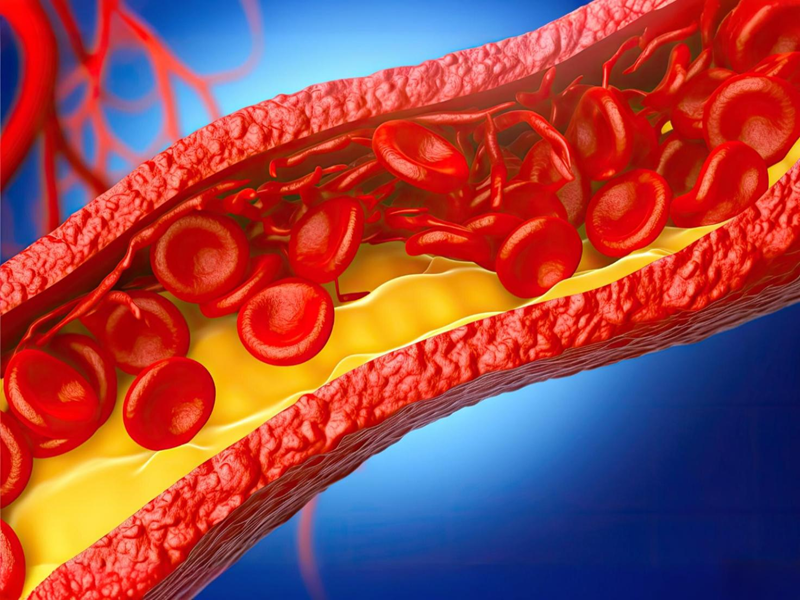
What is dyslipidemia disease? At its core, dyslipidemia isn’t some mysterious ailment; it’s a condition marked by an imbalance of lipids (fats) in the blood. Commonly, it involves high levels of cholesterol and triglycerides. This condition can sneak into anyone’s life, sometimes without any visible signs, making it vital to comprehend its place in today’s […]
Are Artificial Sweeteners Safe for Diabetics? A Comprehensive Guide

Managing diabetes involves a delicate balancing act with food choices. Watching sugar intake can be challenging. Artificial sweeteners for diabetes have emerged as popular substitutes. These sweeteners offer a sugar-like taste without the actual sugar and calories. However, the question arises, are artificial sweeteners safe for diabetics? This guide sheds light on the safety and […]
Understanding Coronary Artery Disease: Causes, Symptoms, and Treatment Options

Coronary artery disease (CAD) is a major health concern worldwide, especially in India. It greatly impacts public health because it can lead to serious heart problems. Our goal here is to educate you about cad causes, coronary artery disease symptoms, and the many treatment options available. Knowing this can help many people lead healthier lives. […]
A Comprehensive Guide to Living with Wolff-Parkinson-White Syndrome

What is Wolff-Parkinson-White Syndrome? Wolff-Parkinson-White Syndrome is a heart condition where there is an extra electrical pathway between the heart’s chambers. This can cause palpitations or a rapid heartbeat. People with WPW might experience unpredictable heart rhythms, which can sometimes be dangerous. Symptoms can appear as common as dizziness or as troubling as fainting spells. […]
Myth and Facts on Percutaneous Coronary Intervention

Myth: PCI is only for heart attack patients. Fact: PCI is used to treat various stages of coronary artery disease, not just during acute heart attacks. Myth: Angioplasty is as risky as open-heart surgery. Fact: PCI is less invasive than open-heart surgery and generally has a quicker recovery time and lower risk of complications. Myth: […]
Managing High Cholesterol: Essential Strategies for a Healthy Heart
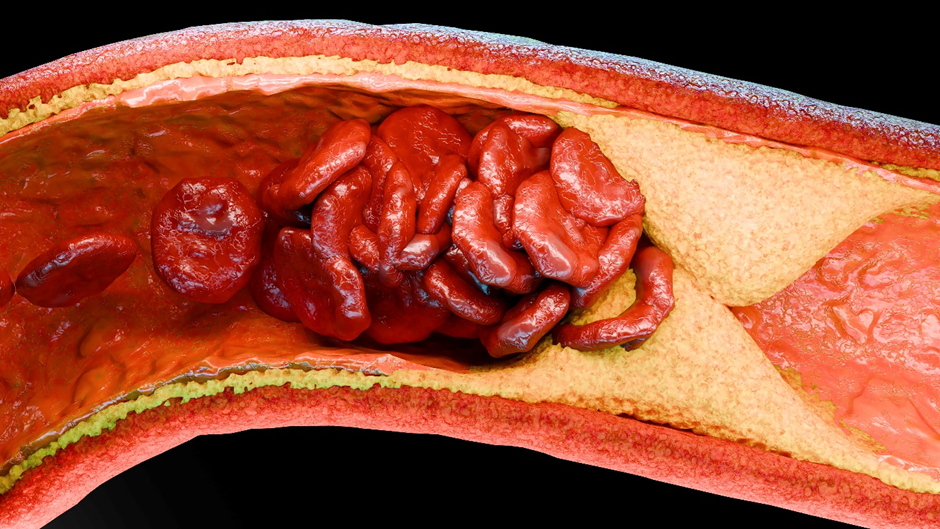
High cholesterol, or hyperlipidemia, is a common condition that increases the risk of heart disease and strokes. Understanding Hyperlipidemia Hyperlipidemia means having too many lipids (fats) in your blood. This condition is primarily concerned with high levels of low-density lipoprotein (LDL), known as “bad” cholesterol, and very low-density lipoprotein (VLDL), which carries triglycerides. High levels […]