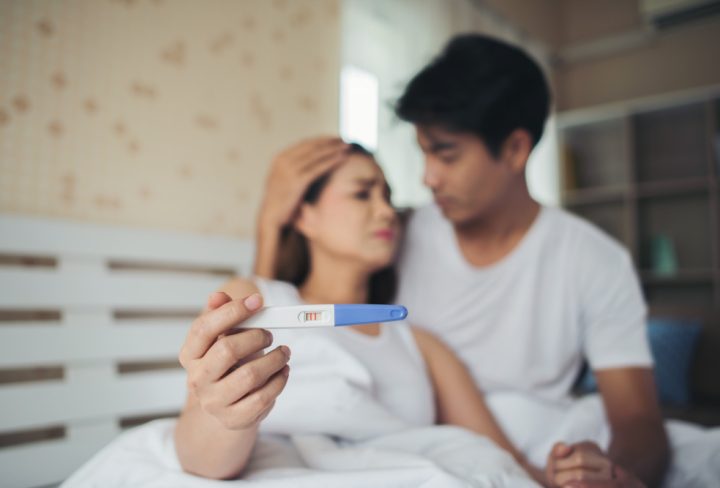
Introduction: What Is Fertility Evaluation and Why Is It Important?
Many couples wonder when should couples seek fertility evaluation. Fertility evaluation is a set of tests and questions that help find out why a couple is not getting pregnant. Early evaluation can help find problems sooner. As a result, couples can get the right treatment faster. The World Health Organization says about 1 in 6 people face infertility at some point. So, knowing when to seek help is important for many couples.
Understanding Fertility in Couples
Fertility means the ability to have a baby. For couples, it means both partners have healthy eggs, sperm, and the ability to join them. Sometimes, one or both partners may have issues that make it harder to conceive. However, most couples will get pregnant within a year of trying. If not, it may be time to look for answers.
Common Signs of Fertility Issues
Sometimes, signs show up that may mean a couple needs a fertility evaluation. For example, you might notice:
Because these signs can point to a problem, it is wise to talk to a doctor if you notice them.
Recommended Timing for Seeking Evaluation
Most couples should try to conceive for 12 months before seeking a fertility evaluation. However, there are exceptions. For women over age 35, it is best to seek help after 6 months of trying. If either partner has known risk factors, you may need to see a fertility specialist sooner. For example, if you have irregular periods or a history of pelvic infections, do not wait a full year. Early evaluation can help you find answers and start treatment if needed.
Risk Factors and Causes for Fertility Problems
Several things can make it harder for couples to conceive. These risk factors may mean you should seek a fertility evaluation sooner:
Because these factors can affect both men and women, both partners should be aware of them.
What to Expect During a Fertility Evaluation
When you visit a fertility specialist, you can expect a few steps. First, the doctor will ask about your health, lifestyle, and family history. Next, you may have a physical exam. After that, the doctor may order tests, such as:
Because every couple is different, the doctor will choose tests based on your needs. These steps help find the cause of fertility issues and guide treatment.
Prevention and Lifestyle Guidance for Reproductive Health
While not all fertility problems can be prevented, healthy habits may help. For example, you can:
Because small changes can make a difference, it is helpful to start healthy habits early. These steps support your overall and reproductive health.