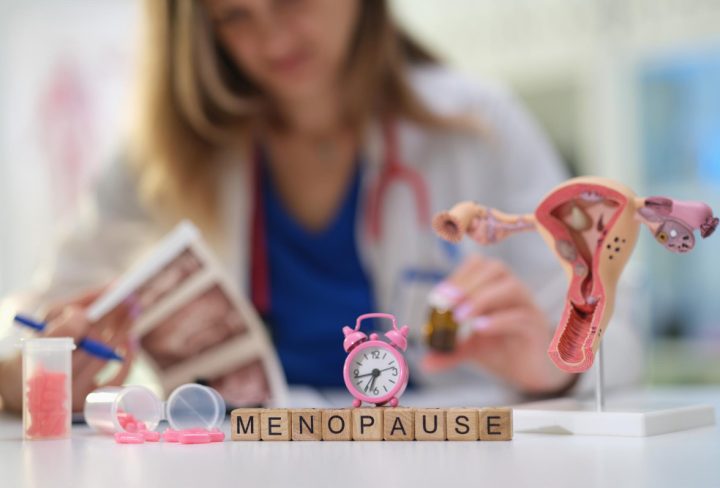
What is Menopause?
Menopause is a natural stage in a woman’s life. It marks the end of monthly periods. Usually, menopause happens between ages 45 and 55. During this time, the body makes less estrogen and progesterone. These are important female hormones. As a result, periods stop, and pregnancy is no longer possible. For most women, menopause is confirmed after 12 months without a period. Although it is a normal part of aging, menopause can bring many changes. Understanding menopause helps women prepare and manage symptoms better.
Common Symptoms of Menopause
Many women notice changes as menopause begins. However, symptoms can vary from person to person. Some women have mild signs, while others may find them more bothersome. Common menopause symptoms include:
In addition, some women notice thinning hair or dry skin. If symptoms affect daily life, it is important to seek help.
Causes and Risk Factors
Menopause happens because the ovaries make less estrogen and progesterone. These hormones control the menstrual cycle. Over time, hormone levels drop, and periods stop. While age is the main cause, other factors can affect when menopause starts. For example, some women may enter menopause early due to:
Although menopause is a natural process, knowing your risk factors can help you prepare.
How Menopause is Diagnosed
Doctors usually diagnose menopause based on symptoms and age. For example, if a woman over 45 has not had a period for 12 months, menopause is likely. Sometimes, a doctor may order blood tests. These tests check hormone levels, such as follicle-stimulating hormone (FSH) and estrogen. However, blood tests are not always needed. In some cases, doctors may check for other causes of missed periods. If you have unusual symptoms, it is wise to see a healthcare provider.
Treatment and Management Options
There are many menopause treatment options. The right choice depends on your symptoms and health history. Some women do not need treatment. Others may need help to manage symptoms. Common options include:
However, not all treatments are right for everyone. It is important to talk with your doctor about risks and benefits. In addition, regular check-ups help track your health during menopause.
Lifestyle Tips for Managing Menopause
Healthy habits can make menopause easier to manage. For instance, simple changes can reduce symptoms and boost well-being. Try these tips:
Moreover, staying connected with friends and family can help with mood changes. If you need support, consider joining a menopause group.
Prevention and When to Seek Help
While menopause cannot be prevented, healthy choices may ease symptoms. For example, regular exercise and a good diet support overall health. However, some symptoms may need medical care. You should see a doctor if you:
Early help can prevent problems and improve quality of life. Remember, every woman’s menopause journey is unique.
In summary, menopause is a natural stage with many changes. With the right support and care, you can manage symptoms and stay healthy. Consult a healthcare provider for personalized advice on menopause management.