What Are Thyroid Nodules?
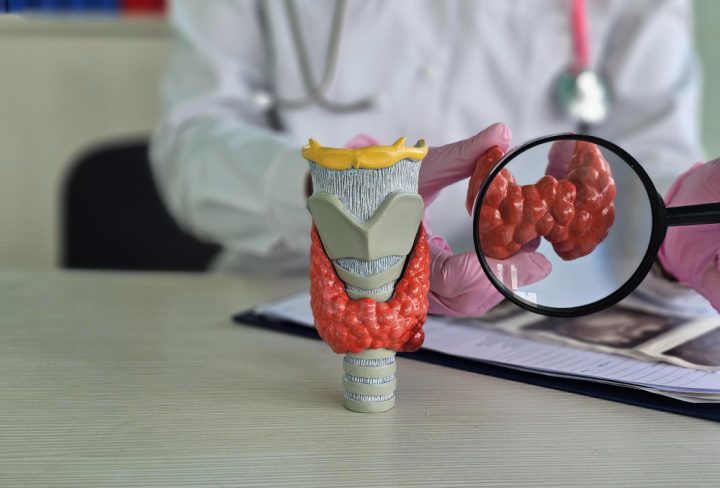
Thyroid nodules are small lumps that form in your thyroid gland. This gland sits at the front of your neck. Many people in the United States have thyroid nodules, but most do not notice them. Sometimes, these lumps are found during a routine check-up. While most thyroid nodules are not cancer, it is important to know when to get them checked. Understanding thyroid health helps you stay safe and informed.
Common Symptoms of Thyroid Nodules
Often, thyroid nodules do not cause any symptoms. However, some people may notice changes. For example, you might feel a lump in your neck. In addition, you could have trouble swallowing or breathing. Sometimes, thyroid nodules can cause your thyroid to make too much or too little hormone. Because of this, you may notice:
Not all symptoms mean you have a thyroid nodule. Still, if you notice any of these signs of thyroid nodules, it is wise to talk to your doctor.
Causes and Risk Factors
There are several reasons why thyroid nodules may develop. Sometimes, a simple overgrowth of normal thyroid tissue causes a lump. In other cases, cysts filled with fluid can form. Rarely, thyroid nodules may be due to cancer. However, most are harmless. Several risk factors increase your chance of developing thyroid nodules. For instance, women are more likely than men to get them. Age also plays a role, as nodules are more common as you get older. Other risk factors include:
Because some risk factors cannot be changed, regular check-ups are important for thyroid health.
How Thyroid Nodules Are Diagnosed
Doctors use several steps for thyroid nodule evaluation. First, your doctor will ask about your symptoms and family history. Next, they will feel your neck for lumps. If a nodule is found, you may need an ultrasound. This test uses sound waves to create pictures of your thyroid. In addition, blood tests check your thyroid hormone levels. Sometimes, a fine needle biopsy is needed. During this test, a small sample is taken from the nodule. This helps doctors see if the lump is cancerous or not. According to the CDC, most thyroid nodules are not cancer.
When Should You Get Thyroid Nodules Checked?
It is important to know when to see a doctor for thyroid nodules. You should get checked if you notice any of the following:
Even if you do not have symptoms, regular thyroid health check-ups are helpful, especially if you have risk factors. Early thyroid nodule evaluation can help find problems before they become serious.
Treatment Options for Thyroid Nodules
Treatment depends on the type and size of the nodule. If the nodule is small and not causing problems, your doctor may suggest watchful waiting. This means you will have regular check-ups and ultrasounds. However, if the nodule is large or causes symptoms, treatment may be needed. Options include:
Doctors will discuss the best plan for your thyroid health based on your needs.
Lifestyle Tips and Monitoring
Although you cannot always prevent thyroid nodules, healthy habits can help. For example, eating a balanced diet supports thyroid health. In addition, regular exercise keeps your body strong. If you have a thyroid nodule, follow your doctor’s advice for monitoring. This may include:
Because early action can make a difference, always share new symptoms with your healthcare provider.
Prevention and Regular Check-Ups
While not all thyroid nodules can be prevented, some steps may lower your risk. For instance, getting enough iodine in your diet is important. In the United States, most people get enough iodine from table salt. However, if you have a family history of thyroid problems, regular check-ups are key. In addition, avoid unnecessary radiation to your neck area. The World Health Organization suggests regular screening for people at higher risk. By staying aware and seeing your doctor for thyroid health checks, you can catch problems early.