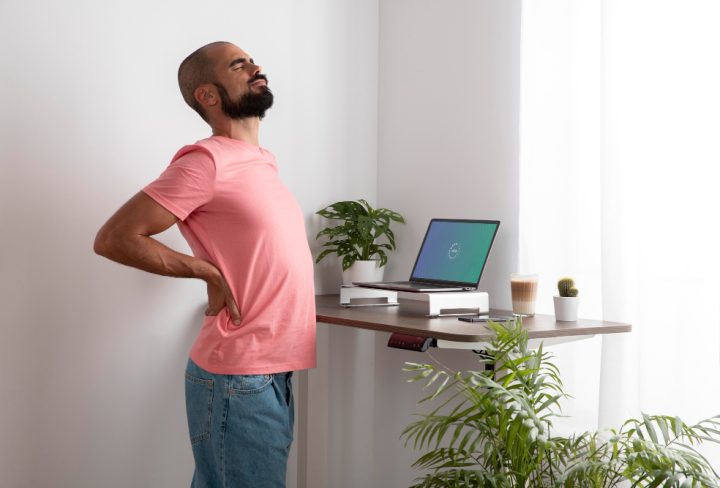
Back pain is a common problem that affects people of all ages. It can make daily tasks hard and lower your quality of life. Because your spine supports your body, keeping it strong is important. In this blog, you will learn about back pain relief, its causes, symptoms, and ways to build a stronger spine. These tips can help you feel better and stay active.
Common Causes of Back Pain
Many things can lead to back pain. Sometimes, the cause is simple, but other times, it may be more serious. For example, poor posture or lifting heavy objects can strain your back. In addition, sitting for long periods can weaken your spine. Here are some common causes:
According to the World Health Organization (WHO), back pain is a leading cause of disability worldwide.
Recognizing Symptoms of Back Pain
Back pain can feel different for everyone. Sometimes, it is a dull ache. Other times, it is sharp or burning. However, knowing the symptoms can help you seek help early. Look for these signs:
If you notice any of these symptoms, you should pay attention. Sometimes, back pain can signal a more serious problem.
Effective Tips for Back Pain Relief
There are many ways to find relief from back pain. While some people need medical care, many can feel better with simple steps at home. For instance, gentle movement and good habits can help. Try these tips:
Additionally, gentle walking or stretching can help ease pain. However, always listen to your body and stop if pain gets worse.
Exercises and Stretches for a Stronger Spine
Regular exercise keeps your back muscles strong and flexible. As a result, your spine gets better support. Here are some simple exercises and stretches you can try:
Start slowly and increase the time as you get stronger. If you feel pain, stop and talk to your doctor.
Lifestyle Changes to Prevent Back Pain
Making small changes in your daily life can help prevent back pain. For example, staying active and eating healthy can make a big difference. Consider these lifestyle tips:
Over time, these habits can help you avoid future pain and keep your spine healthy.
When to See a Doctor
Most back pain gets better with self-care. However, sometimes you need medical help. You should see a doctor if:
Early treatment can prevent serious problems. Therefore, do not wait if you notice these warning signs.
In summary, back pain relief is possible with the right steps. By staying active, practicing good habits, and caring for your spine, you can feel better and prevent future pain. Consult a healthcare professional for personalized back pain relief advice.