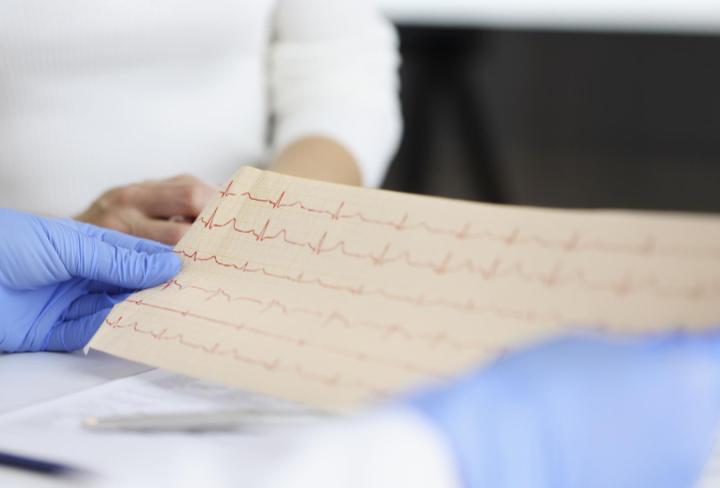
Heart arrhythmia (irregular heartbeat) is a condition where the heart beats too fast, too slow, or in an uneven way. Usually, your heart beats in a steady rhythm. However, with arrhythmia, this rhythm changes. Sometimes, you may not notice any problems. Other times, you might feel your heart racing or skipping beats. In the United States, many people live with this condition. Although some arrhythmias are harmless, others can be serious and need medical care.
Common Symptoms
Often, heart arrhythmia does not cause any symptoms. But, when symptoms do appear, they can include:
Sometimes, these symptoms may come and go. If you notice any of these signs, it is important to pay attention. For example, chest pain or fainting can be a sign of a serious problem.
Causes and Risk Factors
There are many reasons why heart arrhythmia (irregular heartbeat) can happen. Some common causes and risk factors include:
Additionally, age can increase your risk. As people get older, their chances of developing arrhythmia go up. According to the CDC, heart disease is a leading cause of arrhythmia in the United States.
How Heart Arrhythmia is Diagnosed
Doctors use several tests to find out if you have heart arrhythmia. First, they will ask about your symptoms and medical history. Next, they may perform a physical exam. Common tests include:
Sometimes, your doctor may order more tests to better understand your arrhythmia diagnosis.
Treatment Options
Treatment for heart arrhythmia depends on the type and cause. For some people, no treatment is needed. However, others may need one or more of the following:
Your doctor will choose the best treatment for you. Sometimes, a mix of treatments works best.
Lifestyle Tips and Prevention
Even though not all arrhythmias can be prevented, you can lower your risk. Try these tips to help prevent irregular heartbeat:
Additionally, regular check-ups can help catch problems early. The World Health Organization suggests making healthy lifestyle choices to protect your heart.
When to See a Doctor
If you notice symptoms of heart arrhythmia (irregular heartbeat), do not ignore them. For instance, seek medical help right away if you have chest pain, fainting, or trouble breathing. Even mild symptoms should be discussed with your doctor. Early diagnosis and treatment can prevent serious problems.
If you notice symptoms of heart arrhythmia, consult a healthcare professional for personalized advice.