What Are Painkillers?
Painkillers are medicines that help reduce or stop pain. Many people use them for headaches, muscle aches, or injuries. Because they are easy to get, some people use them often. There are two main types of painkillers. First, there are nonsteroidal anti-inflammatory drugs (NSAIDs) like ibuprofen and naproxen. Second, there is acetaminophen, which you may know as paracetamol. Some painkillers, such as opioids, are stronger and need a doctor’s prescription. However, most people use NSAIDs or acetaminophen for common pain.
How Painkillers Affect the Kidneys
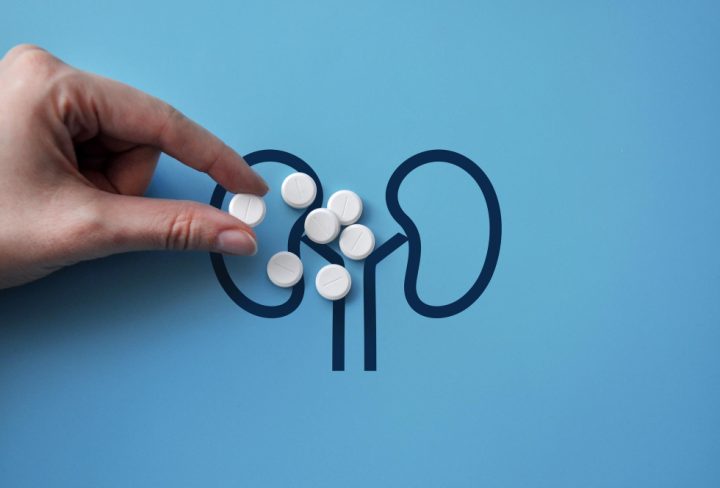
Many people do not realize that painkillers and risk of kidney damage are linked. Your kidneys help clean your blood and remove waste. When you take painkillers, these drugs pass through your kidneys. Over time, some painkillers can harm kidney cells. For example, NSAIDs can lower blood flow to the kidneys. As a result, this may cause kidney stress or injury. Acetaminophen can also harm the kidneys if you take too much. Although rare, even short-term use of high doses can be risky. According to the CDC, long-term or heavy use of painkillers increases the chance of kidney problems. Therefore, it is important to use painkillers only as needed and follow the label instructions.
Symptoms of Kidney Damage from Painkillers
Often, kidney damage develops slowly. Because of this, you may not notice symptoms right away. Still, some signs can point to a problem. For example, you may feel more tired than usual. You might also notice swelling in your legs, feet, or hands. In some cases, you may urinate less or see blood in your urine. If you have nausea, trouble breathing, or confusion, these can also be signs. Since these symptoms can be mild at first, it is easy to miss them. However, if you notice any of these changes, you should talk to your doctor.
Who Is at Higher Risk?
Some people have a higher risk of kidney damage from painkillers. For instance, older adults are more likely to have kidney problems. People with existing kidney disease, high blood pressure, or diabetes also face more risk. If you take painkillers every day or in high doses, your risk goes up. Those who mix different painkillers or use them with other medicines should be careful. Children and people with heart problems may also be at risk. Because of these risks, always check with a doctor before using painkillers for a long time.
Diagnosis: Detecting Kidney Damage
Doctors use simple tests to check for kidney damage. First, they may order a blood test to see how well your kidneys work. Next, a urine test can show if there is blood or protein in your urine. Sometimes, doctors use scans to look at the kidneys. If you have symptoms or use painkillers often, regular checkups can help catch problems early. Early diagnosis is important because it can prevent further damage. Therefore, always tell your doctor about any painkillers you take, even if they are over-the-counter.
Safer Use of Painkillers and Alternatives
There are ways to lower the risk of kidney damage from painkillers. For example, always use the lowest dose for the shortest time. Do not mix different painkillers unless your doctor says it is safe. Acetaminophen may be safer for some people, but it still has risks if overused. If you need pain relief often, talk to your doctor about safe pain relief options. You may be able to try:
Because everyone is different, your doctor can help choose the best option for you.
Prevention Tips for Protecting Kidney Health
There are simple steps you can take to protect your kidneys. First, always follow the directions on painkiller labels. Second, drink plenty of water unless your doctor says otherwise. Third, avoid taking painkillers for long periods without medical advice. In addition, get regular checkups if you use painkillers often. You should also tell your doctor about all medicines and supplements you take. If you have kidney disease, high blood pressure, or diabetes, be extra careful. Finally, ask your doctor about safe pain relief options if you need them often. These steps can help keep your kidneys healthy for years to come.