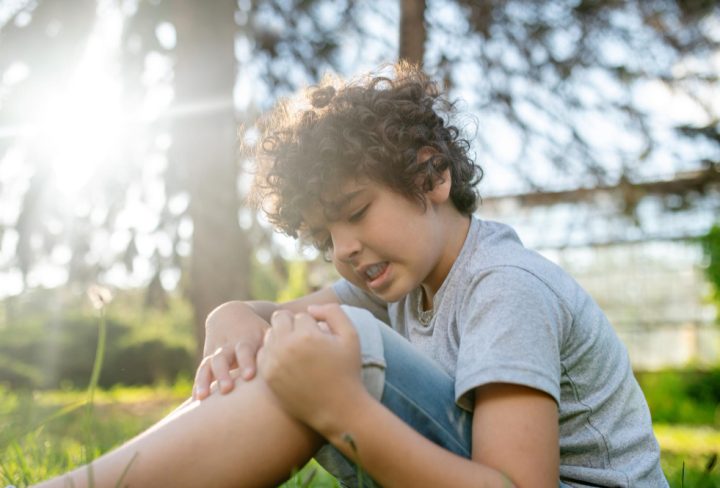
What is Rickets?
Rickets is a condition that affects bone growth in children. It happens when bones become soft or weak. Usually, this is due to a lack of vitamin D, calcium, or phosphate. Because of this, bones may bend or break more easily. Rickets in children is more common, but adults can get a similar condition called osteomalacia. In the United States, rickets is rare, but it can still occur, especially in areas with less sunlight.
Causes of Rickets
Most often, rickets is caused by a shortage of vitamin D. Vitamin D helps the body use calcium and phosphate to build strong bones. Without enough vitamin D, bones cannot form properly. There are several reasons why a child might develop rickets:
For example, children who spend little time outdoors or wear clothing that covers most of their skin may be at higher risk. Additionally, babies who are only breastfed and do not get vitamin D supplements may also develop rickets.
Symptoms of Rickets
Early signs of rickets can be easy to miss. However, as the condition gets worse, symptoms become more noticeable. Common signs of rickets include:
Sometimes, children with rickets may also feel tired or weak. If you notice any of these symptoms, it is important to see a doctor.
How Rickets is Diagnosed
Doctors use several steps to diagnose rickets. First, they ask about your child’s health and diet. Next, they do a physical exam to check for bone changes. Often, doctors order blood tests to measure vitamin D, calcium, and phosphate levels. In some cases, X-rays are used to look at bone shape and strength. Because early diagnosis helps prevent long-term problems, it is important to seek medical advice if you notice signs of rickets.
Treatment Options for Rickets
Treating rickets focuses on fixing the cause. Most children need more vitamin D and calcium. Doctors may suggest:
In rare cases, if rickets is due to a genetic problem, special medicines may be needed. Sometimes, if bones are very bent, surgery may help. However, with early treatment, most children recover fully.
Prevention Tips for Rickets
Preventing rickets is often simple. Here are some tips on how to prevent rickets:
For families living in areas with little sunlight, supplements may be especially important. Always talk to your doctor before starting any new vitamins.
Living with Rickets: Lifestyle Guidance
With proper care, most children with rickets can lead healthy lives. Still, regular check-ups are important. Doctors will monitor bone growth and vitamin levels. In addition, parents should help children eat a healthy diet and get safe sun exposure. If your child has trouble moving or feels pain, physical therapy may help. Remember, early treatment and prevention make a big difference.
If you have concerns about rickets in children or adults, consult a healthcare professional for personalized advice on rickets.