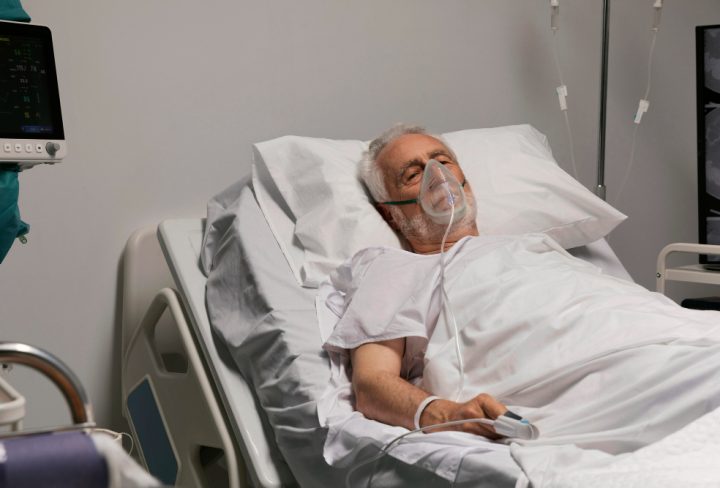
What is Sepsis?
Sepsis is a serious medical condition. It happens when the body has a strong reaction to an infection. Because of this reaction, the body can start to harm its own tissues and organs. Sepsis can develop quickly and may become life-threatening. According to the CDC, sepsis affects millions of people each year worldwide. Early treatment is very important for a good outcome.
Common Symptoms and Warning Signs
Sepsis symptoms can appear suddenly. Therefore, knowing the early signs of sepsis can help save lives. Watch for these warning signs:
Sometimes, symptoms may be mild at first. However, they can get worse quickly. If you notice these signs, seek medical help right away.
Main Causes and Risk Factors
Sepsis usually starts with an infection. For example, it can come from infections in the lungs, urinary tract, skin, or stomach. Bacteria are the most common cause, but viruses or fungi can also lead to sepsis.
Some people have a higher risk of sepsis. These risk factors include:
Because of these risks, it is important to watch for infections and treat them early.
How Sepsis is Diagnosed
Doctors use several steps to diagnose sepsis. First, they check for symptoms and ask about recent infections. Next, they may order blood tests to look for signs of infection or organ problems. Sometimes, doctors use other tests, such as urine tests, X-rays, or scans, to find the source of infection. Quick diagnosis helps start treatment sooner, which can improve recovery.
Treatment Options and Recovery
Sepsis treatment options depend on how severe the condition is. Most people need to stay in the hospital. Treatment may include:
Recovery from sepsis can take time. Some people may need extra care after leaving the hospital. Early treatment improves the chances of a full recovery.
Prevention Tips and Lifestyle Guidance
Although sepsis is serious, you can lower your risk. Here are some ways to help prevent sepsis:
Because infections can lead to sepsis, taking these steps can protect your health.
When to Seek Medical Help
Sepsis can get worse quickly. Therefore, it is important to act fast. If you or someone you know has an infection and shows signs of sepsis, seek medical help right away. Early care can save lives.
Conclusion
Sepsis is a medical emergency. Knowing the symptoms, causes, and treatment options can help you stay safe. If you notice symptoms of sepsis, consult a healthcare professional immediately for personalized care.