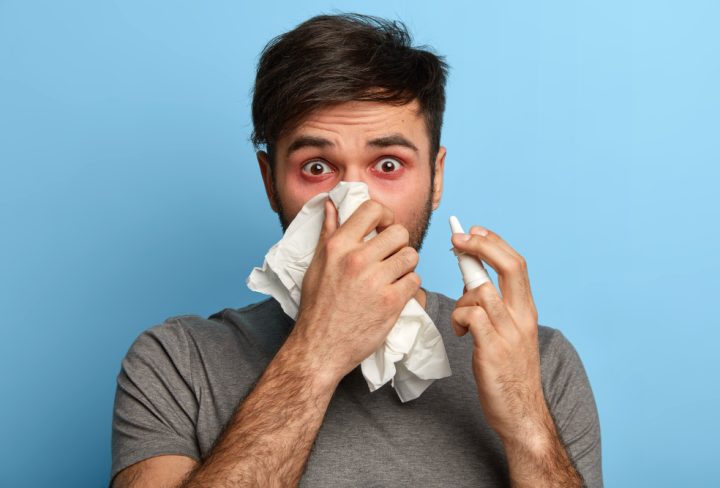
What Are Allergic Reactions?
Allergic reactions happen when your body’s immune system reacts to something harmless. This “something” is called an allergen. For example, pollen, certain foods, or pet dander can be allergens. Usually, your immune system protects you from germs. However, in allergies, it overreacts to harmless things. As a result, you may feel sick or uncomfortable. Allergic reactions can be mild or severe. Sometimes, they can even be life-threatening. According to the CDC, allergies are common and affect people of all ages.
Common Symptoms of Allergic Reactions
Allergic reaction symptoms can vary from person to person. Some people have only mild symptoms. Others may have more serious problems. Importantly, symptoms can appear quickly or slowly. Here are some common signs to watch for:
Sometimes, a severe allergic reaction called anaphylaxis can occur. This is a medical emergency. It can cause trouble breathing, a drop in blood pressure, or loss of consciousness. If you notice these signs, get help right away.
Causes and Risk Factors
Many things can cause allergic reactions. For instance, common allergens include:
Some people are more likely to have allergies. For example, if your parents have allergies, you may too. Also, having asthma or eczema increases your risk. Living in areas with high pollen or pollution can make allergies worse. Even so, anyone can develop allergies at any age.
How Allergic Reactions Are Diagnosed
Doctors use several methods to diagnose allergic reactions. First, they ask about your symptoms and medical history. Then, they may do a physical exam. Sometimes, allergy tests are needed. These tests help find out what you are allergic to. Common tests include:
In some cases, your doctor may ask you to keep a diary of your symptoms. This can help find patterns and triggers. Always talk to your doctor before trying any new test or treatment.
Treatment Options
Treatment for allergic reactions depends on the cause and severity. For mild symptoms, over-the-counter medicines may help. These include antihistamines or nasal sprays. However, for more serious reactions, you may need prescription medicine. In some cases, doctors recommend allergy shots (immunotherapy). These shots help your body get used to allergens over time. If you have a severe allergy, your doctor may give you an epinephrine auto-injector. This device can save your life during an emergency.
Prevention Tips and Lifestyle Guidance
While you cannot always prevent allergies, you can lower your risk. Here are some tips to help you avoid allergic reactions:
Additionally, always carry your emergency medicine if you have a history of severe reactions. Teach your family and friends how to help you in case of an emergency.
When to Seek Medical Help
Sometimes, allergic reactions can become serious very quickly. Seek medical help right away if you:
Even if symptoms seem mild at first, they can get worse. Therefore, it is better to be safe and call your doctor or emergency services.
Consult a healthcare professional for personalized advice on allergic reactions.